Introduction
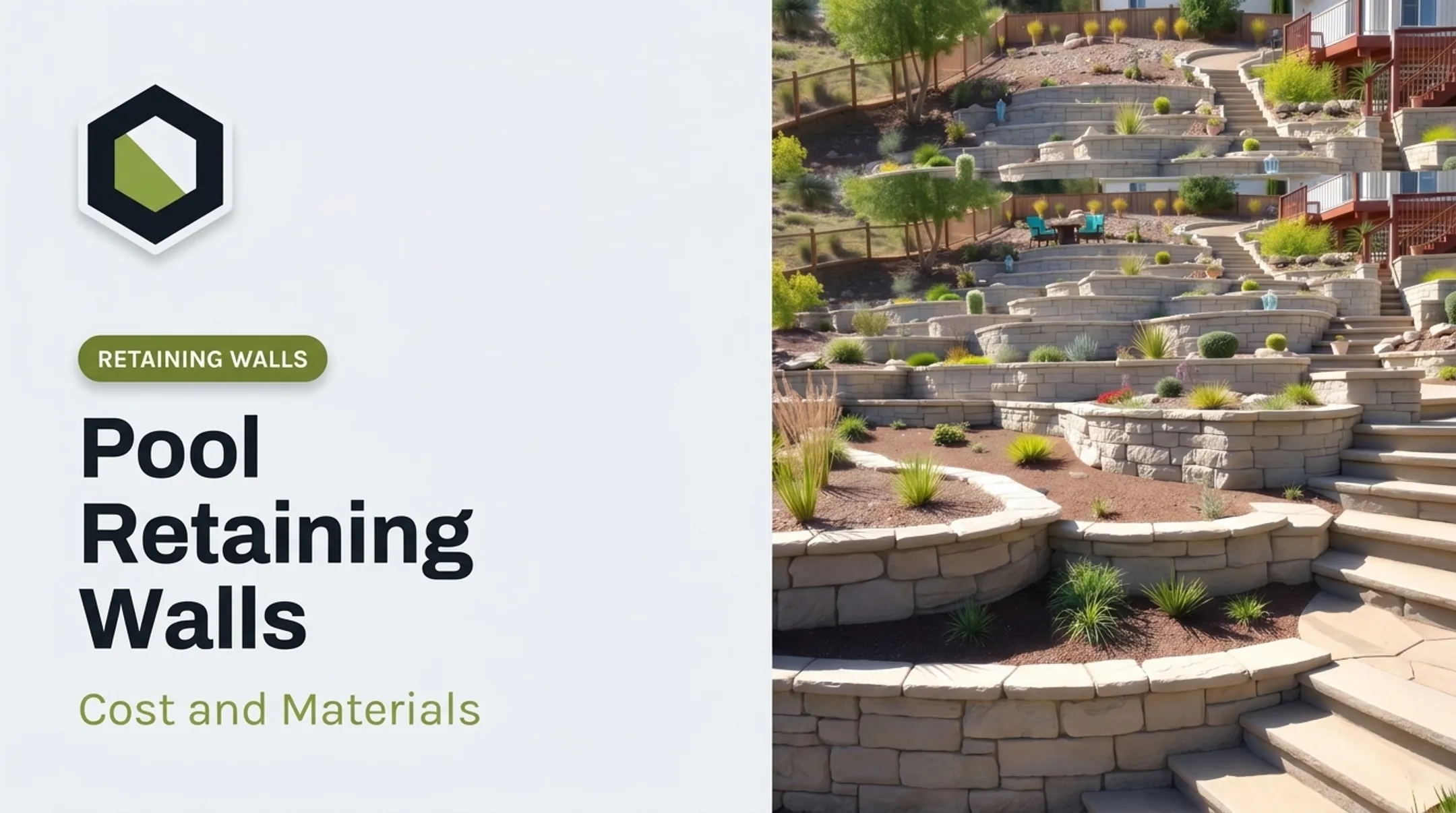
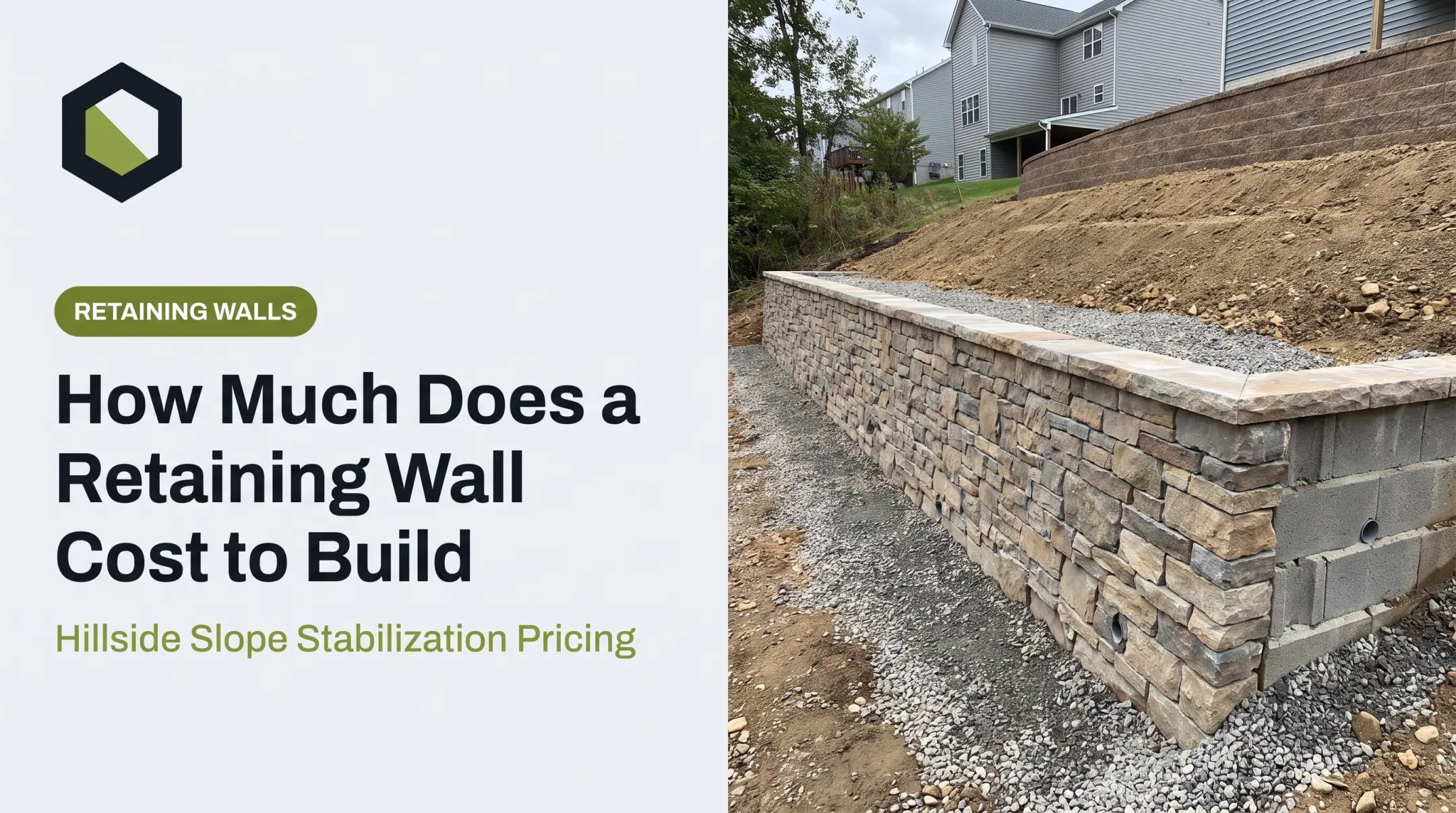
A stone retaining wall can stabilize a slope, control erosion, create usable tiers on a hillside lot, and add real curb appeal. The catch for 2026 budgets: stone on the pallet is only one line item.
Many homeowners price out a wall by looking at rock costs alone, then get blindsided by excavation, drainage, and engineering fees later. Total installed cost also depends on wall length and height, stone type, construction method, soil conditions, site access, permits, and finish details—not just the material on the pallet.
This guide covers installed price ranges, cost per square foot and linear foot, the line items a real quote should include, budget tiers by wall complexity, and the expenses homeowners most often forget.
Key Takeaways
- Installed stone retaining walls typically cost $10 to $85 per square foot, or $2,000 to $10,000 for a modest project.
- Dry-stack, boulder, gabion, and veneer walls aren't interchangeable; each has different price points and structural limits.
- Height, slope, drainage, and access drive cost more than stone choice alone.
- Walls protecting structures, driveways, or pools justify the high end; low garden walls usually don't.
How Much Does a Stone Retaining Wall Cost?
There's no single fixed price for a stone retaining wall because "cost" can mean three different things: the price of raw materials, the installed cost of the wall itself, or the full project cost once you add site prep, drainage, and professional fees. Confusing these three is the most common budgeting mistake homeowners make.
Typical 2026 Installed Pricing
According to HomeGuide's 2026 stone retaining wall cost data, natural stone retaining walls installed run:
- $10 to $85 per square foot of wall face
- $20 to $340 per linear foot (for walls roughly 2 to 4 feet tall)
- $2,000 to $10,000 total for a typical residential project
These figures generally include labor and a compacted gravel base, but not every quote includes engineering, permits, or delivery — always ask what's baked in.
Here's how that plays out across three common scopes:
| Wall Type | Approx. Size | Typical Installed Cost |
|---|---|---|
| Simple garden wall | 20 ft long, 2 ft tall, dry-stack | $2,500–$4,000 |
| Mid-range residential wall | 40 ft long, 3–4 ft tall, natural stone | $6,000–$14,000 |
| Tall or technical wall | 40 ft long, 5–6 ft tall, engineered | $15,000–$30,000+ |
Pricing by Wall Construction and Stone Type
Not all stone walls are built the same way, and construction method changes both cost and capability:
- Dry-stacked natural stone: $20–$85 per sq ft installed; relies on gravity and interlocking placement rather than mortar.
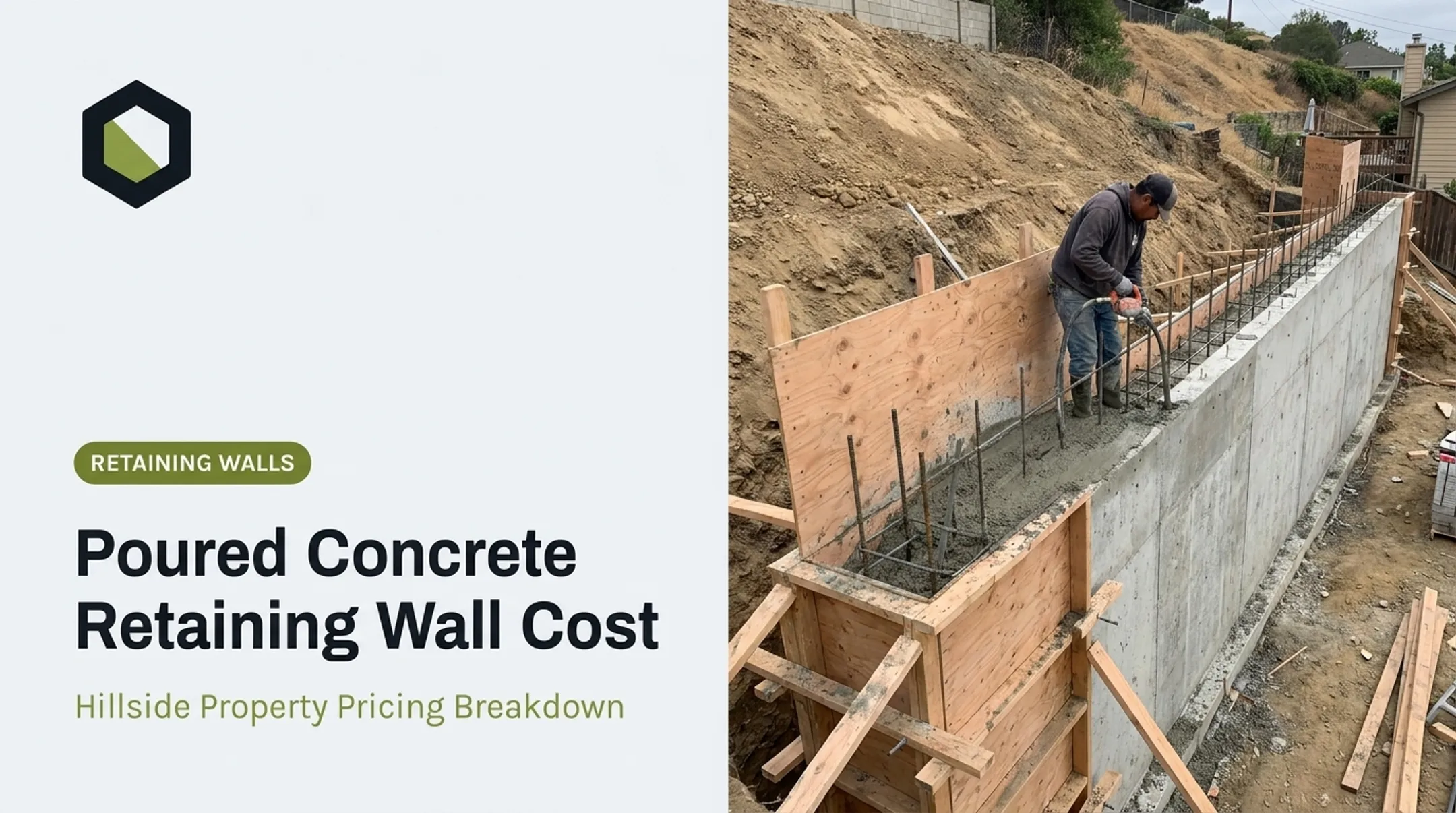
- Mortared or reinforced natural stone: $25–$75 per sq ft installed; adds footing and steel for taller applications.
- Boulder walls: $25–$50 per sq ft, best suited to walls under 4 feet.
- Gabion walls (wire cages filled with rock): $10–$40 per sq ft, valued for drainage but less refined in appearance.
- Stone veneer over a structural block or concrete wall: $30–$80 per sq ft; structural work is concrete or CMU, with stone as the finish.
Stone type also matters:
| Stone | Installed Cost (per sq ft) | Notes |
|---|---|---|
| Fieldstone | $20–$80 | Irregular, rustic, widely available |
| Limestone | $25–$70 | Clean lines, moderate weight |
| Slate | $30–$85 | Premium look, higher labor to fit |
| Granite | $20–$45 | Durable, heavier to transport |
Cost Factors That Can Shift the Range
Several variables push a quote toward the high end:
- Height and length — longer, taller walls need more material and labor per foot
- Footing depth and batter — taller walls need deeper, wider footings
- Slope angle — steep or unstable ground can increase labor by 50% or more, per Angi's contractor data
- Groundwater and drainage conditions — wet sites need more aggregate and pipe
- Site access — tight yards may require hand-carrying stone instead of machine placement
- Delivery distance — stone shipped farther from the quarry costs more per ton
A six-foot wall, or any wall supporting a driveway, structure, or pool, shouldn't be budgeted like a garden wall. Height thresholds and engineering triggers vary by city, so check with your local building department before assuming a nationwide rule applies.

Cost Breakdown of a Stone Retaining Wall
A reliable quote separates the visible stonework from the structural and site work that keeps the wall standing. If your estimate is just one lump number, ask for it itemized.
Materials and Delivery
Beyond the stone itself, expect line items for:
- Gravel or aggregate base
- Mortar (if applicable)
- Concrete footings, where required
- Geogrid or other reinforcement
- Drainage pipe and filter fabric
- Backfill material
Delivery costs shift based on stone weight, distance from the quarry, and whether crane or forklift access is needed. Restricted-access lots, common on hillside properties, often carry a delivery premium.
Site Preparation, Excavation, and Removal
This phase covers:
- Clearing vegetation and removing an existing wall
- Excavating the trench and retained soil
- Grading and hauling spoils off-site
- Addressing rock or hard clay if encountered
- Restoring disturbed landscaping afterward
These items should show up as fixed line items or clearly labeled allowances, not vague "site work" charges buried in the total.
Drainage, Foundation, and Reinforcement
This is the part homeowners can't see once the wall is finished, and it's the part that determines whether the wall lasts. A proper build includes:
- A compacted base and footing sized to the wall height and soil
- Drainage aggregate and perforated pipe with a planned outlet
- Waterproofing where relevant
- Reinforcement such as geogrid or tiebacks for taller walls
Cutting drainage or foundation work to shave the quote is the single biggest risk factor for settlement, bulging, or premature failure. A Stone Trust case study documented a 39-inch dry-stone wall that began failing after just eight years. The cause was a drain pipe set roughly 12 inches above the base instead of at the bottom.
Engineering, Permits, Inspection, and Related Finishes
For walls that require it, structural engineering typically runs $350 to $750 for walls over 4 feet, according to Angi's 2026 cost data.
Permit fees generally fall between $50 and $450, though local schedules vary widely. Some cities charge well beyond that for taller or more complex walls.
Optional finishing costs to plan for, if relevant to your project:
- Stairs or steps built into the wall
- Caps or coping stone
- Low-voltage lighting
- Planting or irrigation relocation
- Fencing above the wall
- Pool coordination, if the wall sits near a pool structure
None of these are mandatory on every project, but they're worth asking about before you're mid-build.

Low-Cost vs. High-Cost Stone Retaining Walls — What's the Difference?
A low wall on flat, stable ground and a tall engineered wall on a slope near a structure are different projects. A lower price should reflect a smaller scope, not missing structural work.
Performance and Durability
Lower-cost dry-stack or gabion walls can handle modest loads on simple sites. Higher-cost engineered systems provide:
- Greater load-bearing capacity
- Deeper drainage capacity behind the face
- Reinforcement suited to soil movement
- Design flexibility for curves, steps, or terracing
Appearance, Workmanship, and Maintenance
Uniform manufactured stone or standard fieldstone costs less than premium natural stone with custom patterns, curves, or hand-fitted caps. Angi's data lists experienced masons at $70–$110 per hour, versus $30–$50 for less-experienced labor. That gap shows up in joint tightness, cap alignment, and how the wall ages. Poor fitting increases future repair risk.
Long-Term Value
The lowest bid isn't automatically the best value. Watch for quotes that leave out:
- Engineering
- Drainage
- Delivery
- Permits
- Site restoration
Those costs don't disappear — they show up later as change orders or emergency repairs. For hillside or structure-adjacent walls, design-build coordination is often worth the premium because it reduces the handoffs where drainage and elevations tend to go wrong.

How to Estimate the Right Budget for a Stone Retaining Wall
Start with a basic project brief before requesting quotes:
- Wall length and approximate height
- Size of the retained area
- Purpose (decorative tier vs. structural support)
- Preferred stone appearance
- Nearby structures, pools, or driveways
- Access route to the wall site
- Any known drainage or slope concerns
Build a Preliminary Estimate
Calculate wall-face area (length × height), then apply installed pricing for your chosen construction method. Add separate allowances for:
- Excavation and site prep
- Base and footing
- Drainage and reinforcement
- Delivery
- Engineering and permits (if applicable)
- Restoration and a contingency buffer
Photographs and a rough linear-foot calculation don't capture what a sloped or tall wall actually needs. An on-site assessment can change the entire construction method once real soil and drainage conditions are visible.
Review Contractor Estimates
Before signing, compare bids against this checklist:
- Stone specification and quantity
- Wall dimensions and structural design responsibility
- Drainage details, foundation, and backfill plan
- Equipment needs and disposal costs
- Permits and inspection responsibility
- Cleanup, payment schedule, and warranty
- Change-order process
Confirm the contractor is licensed, insured, and has retaining-wall-specific experience. Ask for comparable completed work and a clear explanation of how the design responds to your soil, slope, and water conditions.
What Most People Miss
Common budgeting mistakes:
- Focusing only on the visible stone price
- Ignoring future drainage repairs or maintenance
- Assuming a decorative veneer wall is structural
- Accepting a low bid that quietly excludes engineering, drainage, or permits
For hillside, pool-adjacent, or larger integrated outdoor projects across Los Angeles and Ventura counties, Stonework Design & Build provides engineered retaining-wall and coordinated hardscape services. The team handles permitting in-house and offers free on-site project estimates.
A site walk evaluates slope, drainage, access, and setbacks before any number gets attached to the project. Footing depth that doesn't match the soil and slope is one of the most common causes of wall failure.

Conclusion
Stone retaining wall cost in 2026 depends on more than the price of rock at a supplier's yard. Dimensions, stone type, construction method, site conditions, drainage, engineering, permits, access, and finish all shape the final number.
The right budget balances structural performance, appearance, code compliance, and long-term durability. A broad national average is a starting point, not a quote. An itemized, site-specific estimate that accounts for your slope, soil, and access gives you a number you can plan around.
Frequently Asked Questions
How much does it cost to build a stone retaining wall?
Most residential projects fall between $2,000 and $10,000, or $10 to $85 per square foot installed, depending on wall height, stone type, and construction method. That range typically covers labor and base prep, but not always engineering or permits.
What is the cost of rockwall per square foot?
Natural stone runs $10–$85 per square foot installed; boulder walls run $25–$50; gabion walls run $10–$40. "Square foot" refers to wall-face area, and materials-only pricing sits well below these labor-inclusive figures.
How much does a 6-foot retaining wall cost?
A 6-foot wall generally lands at the higher end of linear-foot pricing, up to roughly $340+ per linear foot in some cost guides, because it needs deeper excavation, more drainage, and often engineering review. Treat any national figure as a starting estimate, not a quote.
How much does it cost to have an engineer design a retaining wall?
Structural engineering for walls over 4 feet typically runs $350–$750, according to Angi's 2026 data. Larger walls or complex sites may also require a geotechnical report, which can add $1,000–$5,000.
How tall can a retaining wall be before it needs to be engineered?
The 2024 International Residential Code exempts walls not exceeding 4 feet (measured from the footing base to the top) unless they support a surcharge load. Local jurisdictions can set stricter rules, so verify with your building department.
How long will a stone retaining wall last?
Well-built stone retaining walls can last 50 to 100 years with proper drainage and maintenance. Walls with inadequate footings or clogged drainage have failed in as little as 8 years, which is why base prep and drainage matter more than stone choice alone.